

Trains around the world come in many types, each designed for specific purposes, terrains, and speeds. Here’s a broad classification of the main types of trains globally.
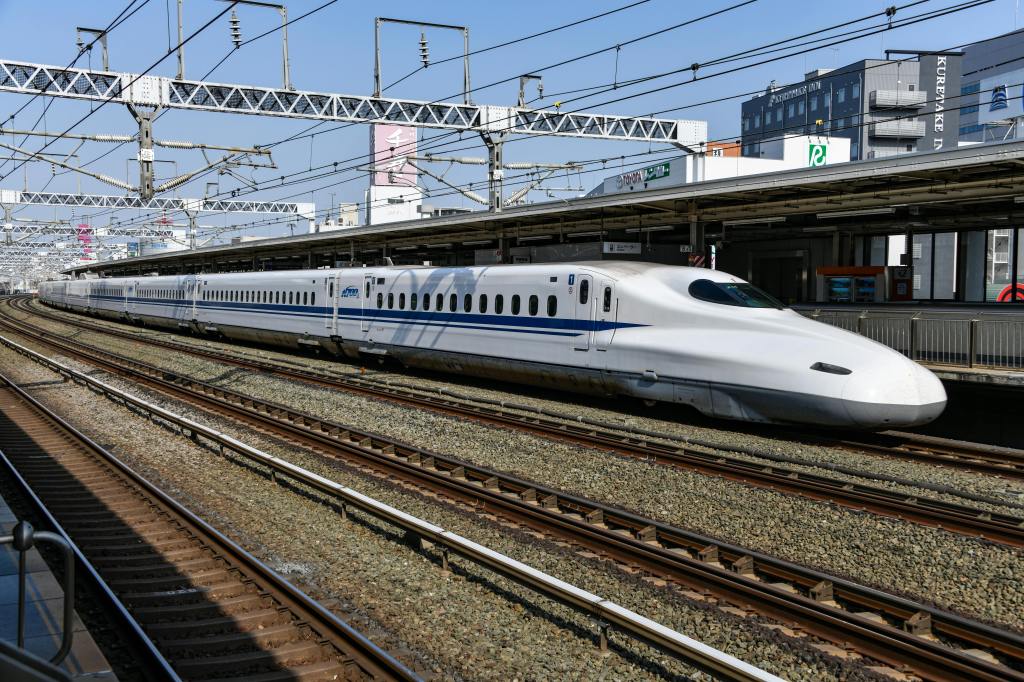
🚄 High-Speed Trains
These trains are designed for fast intercity travel, often exceeding speeds of 250 km/h (155 mph).
- Examples:
- Shinkansen (Japan)
- TGV (France)
- ICE (Germany)
- Fuxing Hao (China)
🚆 Passenger Trains
These include various types of trains used for transporting people over short or long distances.
- Suburban/Commuter Trains: Connect cities to suburbs (e.g., Mumbai Local, London Overground)
- Intercity Trains: Travel between cities with fewer stops (e.g., Amtrak in the US)
- Regional Trains: Serve smaller towns and cities
- Metro/Rapid Transit: Urban underground or elevated trains (e.g., Delhi Metro, NYC Subway)
🚋 Light Rail & Trams
Used within cities for short-distance travel, often sharing roads with cars.
- Examples: Trams in Melbourne, Light Rail in Istanbul
🚂 Freight Trains
Used to transport goods and raw materials across long distances.
- Types:
- Container trains
- Bulk cargo trains (coal, grain, oil)
- Mixed freight
🚞 Mountain & Scenic Trains
Special trains designed for steep gradients or tourism.
- Examples:
- Darjeeling Himalayan Railway (India)
- Glacier Express (Switzerland)
🚈 Monorails & Maglev Trains
Advanced systems using single rail or magnetic levitation.
- Examples:
- Tokyo Monorail
- Shanghai Maglev (world’s fastest commercial train)
🛤️ Heritage & Steam Trains
Preserved trains used for tourism or historical experiences.
- Examples:
- Flying Scotsman (UK)
- Nilgiri Mountain Railway (India)



 Insight360
Leave a comment