
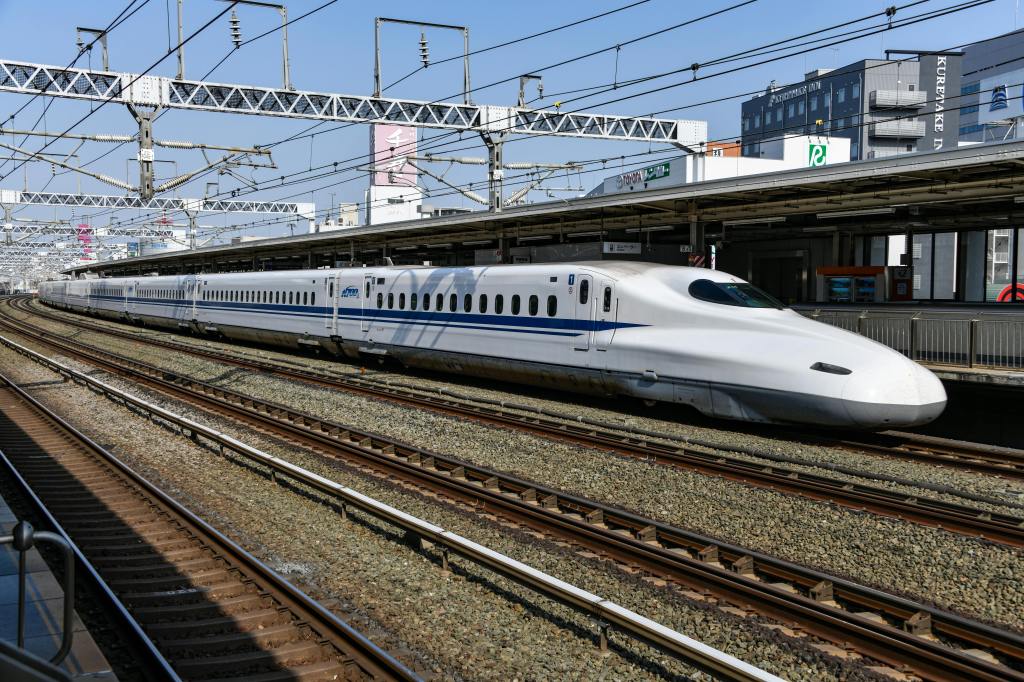
Speeding into the Future
In the age of rapid technological advancement, high-speed trains have become symbols of innovation, efficiency, and futuristic travel. From magnetic levitation marvels to aerodynamic bullet trains, countries around the world are racing to push the boundaries of rail speed. Here’s a look at the fastest trains in the world and what makes them extraordinary.
1. Shanghai Maglev – China
- Top Speed: 431 km/h (268 mph)
- Technology: Magnetic Levitation (Maglev)
- Operational Since: 2004
The Shanghai Maglev Train is the world’s fastest commercially operating train. Using magnetic levitation, it glides above the tracks without physical contact, reducing friction and enabling ultra-high speeds. It connects Shanghai Pudong Airport to the city center in just 7 minutes.
2. CRRC Maglev Prototype – China
- Test Speed: 600 km/h (373 mph)
- Status: Prototype
China’s CRRC unveiled a next-generation maglev train capable of reaching 600 km/h during testing. Though not yet in commercial service, it represents the future of ultra-fast intercity travel and could revolutionize long-distance transportation.
3. L0 Series Maglev – Japan
- Test Speed: 603 km/h (375 mph)
- Planned Operational Speed: ~500 km/h
Developed by Central Japan Railway Company, the L0 Series is part of the Chūō Shinkansen project. It aims to connect Tokyo and Nagoya in just 40 minutes, using superconducting maglev technology.
4. TGV POS – France
- Test Speed: 574.8 km/h (357 mph)
- Operational Speed: ~320 km/h
France’s TGV (Train à Grande Vitesse) set a world record for conventional wheeled trains in 2007. While its test speed was extraordinary, regular services operate at more modest speeds to ensure safety and efficiency.
5. Fuxing Hao CR400AF/BF – China
- Operational Speed: 350 km/h (217 mph)
China’s Fuxing Hao series is the fastest conventional high-speed train in regular service. It connects major cities like Beijing and Shanghai, offering a blend of speed, comfort, and reliability.
6. Shinkansen N700S – Japan
- Operational Speed: ~300 km/h
- Test Speed: ~360 km/h
Japan’s Shinkansen, or “bullet train,” is renowned for its punctuality and safety. The N700S is the latest model, featuring improved acceleration, energy efficiency, and earthquake resilience.
🌍 Global Impact and Future Trends
High-speed rail is more than just a technological feat—it’s a sustainable alternative to air travel, reducing carbon emissions and easing congestion. Countries like Germany, Italy, and South Korea also operate impressive high-speed networks, and new projects are emerging in India, the U.S., and the Middle East.
🔮 What’s Next?
With advancements in maglev technology, AI-driven traffic control, and green energy integration, the future of fast trains looks promising. The goal is not just speed, but also efficiency, safety, and environmental sustainability.




 Insight360
Leave a comment